All Categories
Featured
Strategies to Maximise Foreign Investment Potential in 2026
Frameworks for Capital Diversification in 2026 Global Mar...

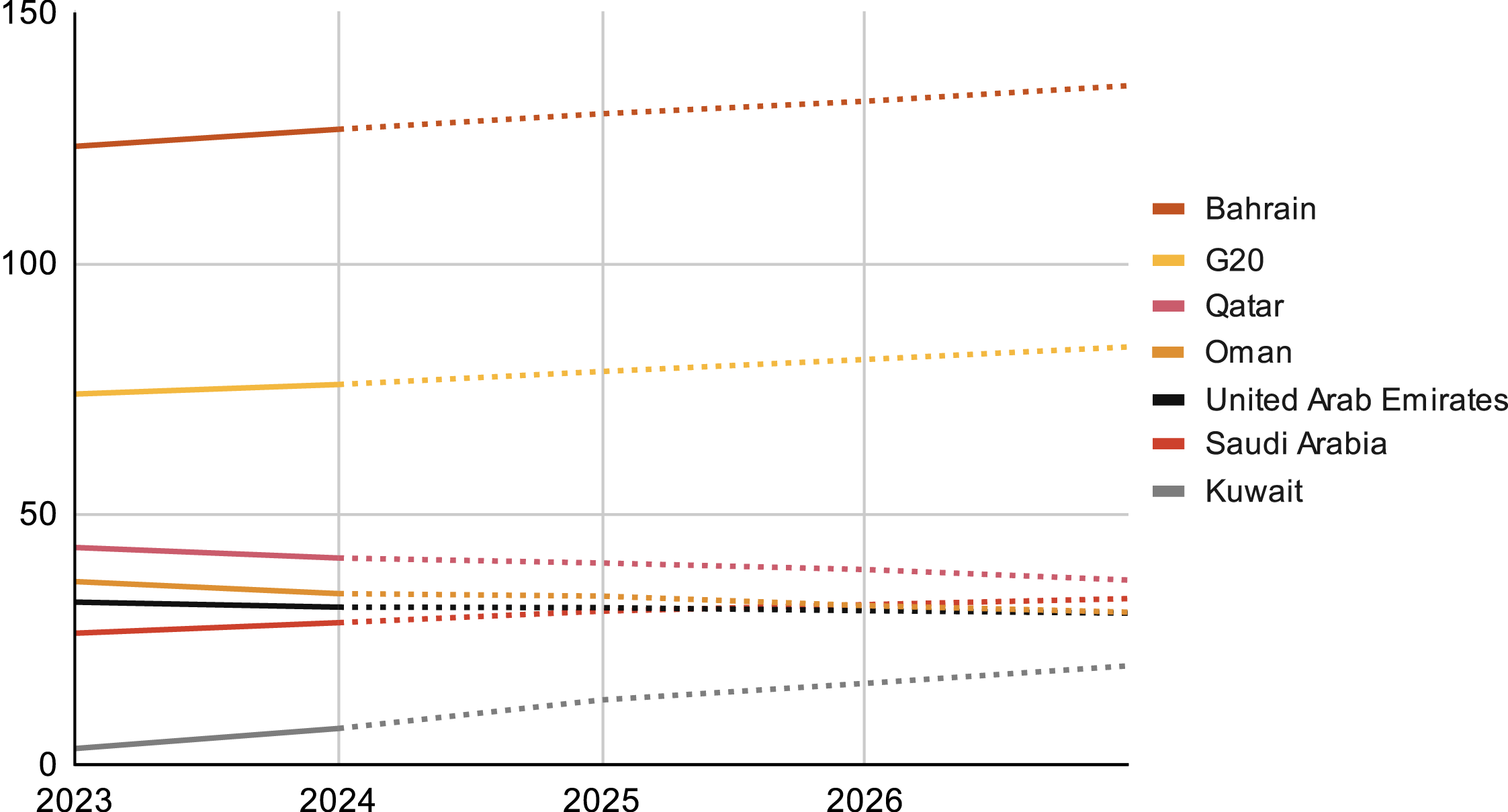
Impact of FDI on Regional Industrial Development
Sub-Saharan African nations account for around one-third of the total, followed by Latin America and the Middle East (the latter 2 together representing over 40% of the overall). Consisting of, there has been an (from 90.3 in 2000-04 to 92.6 and 92.3 in the five years pre- and post-pandemic ).
and ranked higher than others; UAE is up more than 45 locations in 2024 compared to 2000 while Qatar climbed 24; both Saudi Arabia and Oman rose 17 ranks throughout the period. The caught or even worse off nations are some parts of Latin America and Sub-Saharan Africa where structural improvement has actually stalled.
Bahrain’s Privatization Push: Creating a More Agile Governmentshows a significant increase in typical EDI scores from 86.8 in 2000-04 to 92.6 in 2020-24, (up more than 10 points in the preliminary period versus 2020-24). with UAE outshining in the trade sub-index (supported by current bilateral trade contracts & non-oil exports push). vs its pre-pandemic reading (partially offered the surge in medium & modern production data).
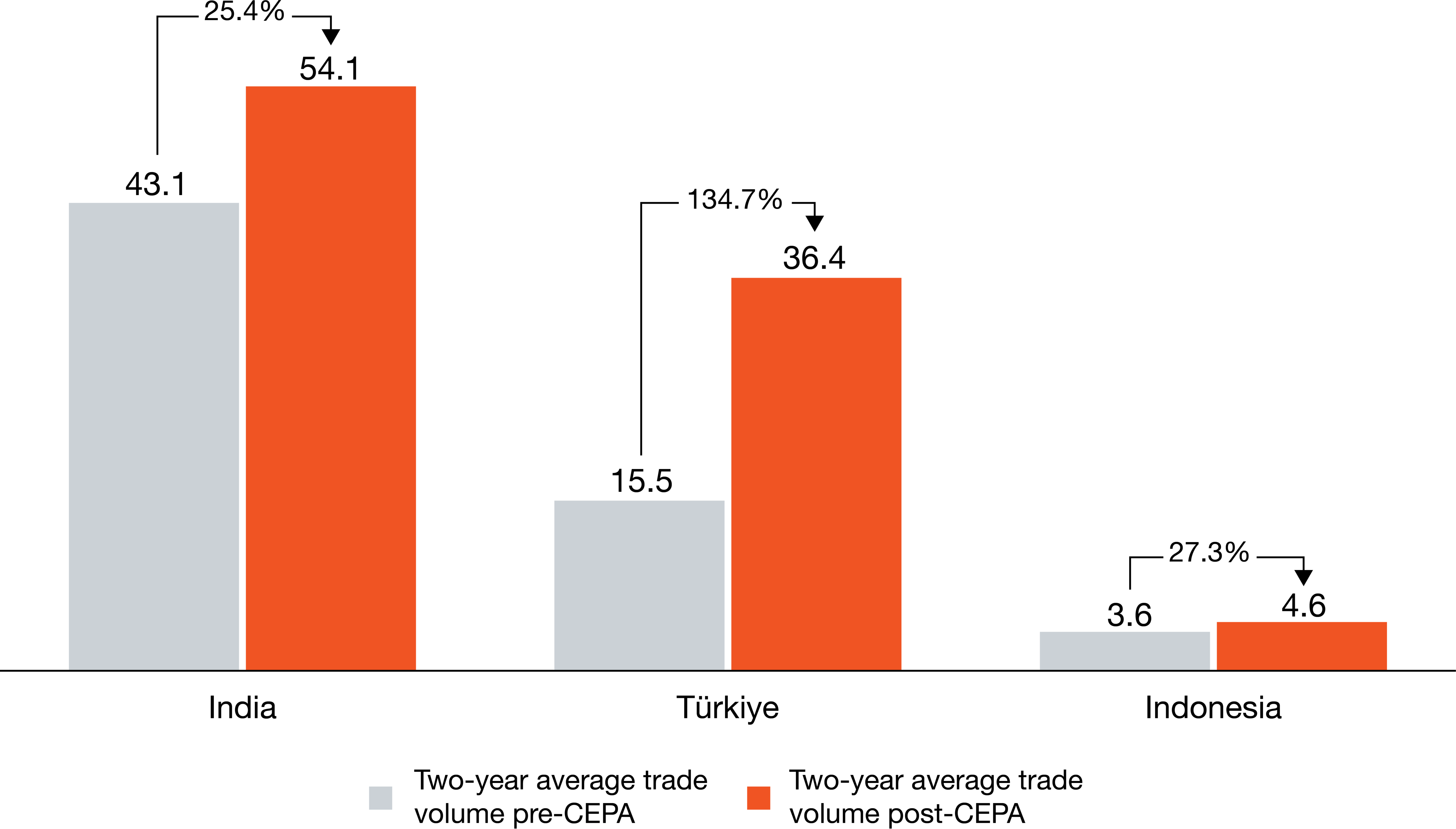
Its diversification metrics have actually stagnated, showing the least enhancement in between the preliminary (2000-04) and final (2020-24) referral periods., despite the headwinds of OPEC+ production cuts. A robust non-hydrocarbon growth was supported by the GCC's robust domestic need (supported by a strong job pipeline and execution) and strong services sector performance.
Navigating GCC Stock Market Shifts through 2026
Kuwait and Saudi Arabia clocked in an increase in non-hydrocarbon profits, "mostly reflecting non-hydrocarbon tax base growths and profits collection effectiveness enhancements", according to the IMF. In the current geopolitical environment defined by magnifying, it is in the very best interests of product dependent nations to diversify its export base, exports and trade partners.

Latest Posts

Strategies to Maximise Foreign Investment Potential in 2026
Frameworks for Capital Diversification in 2026 Global Markets
Comparing GCC Capital Climates vs Global Peers